 Admin
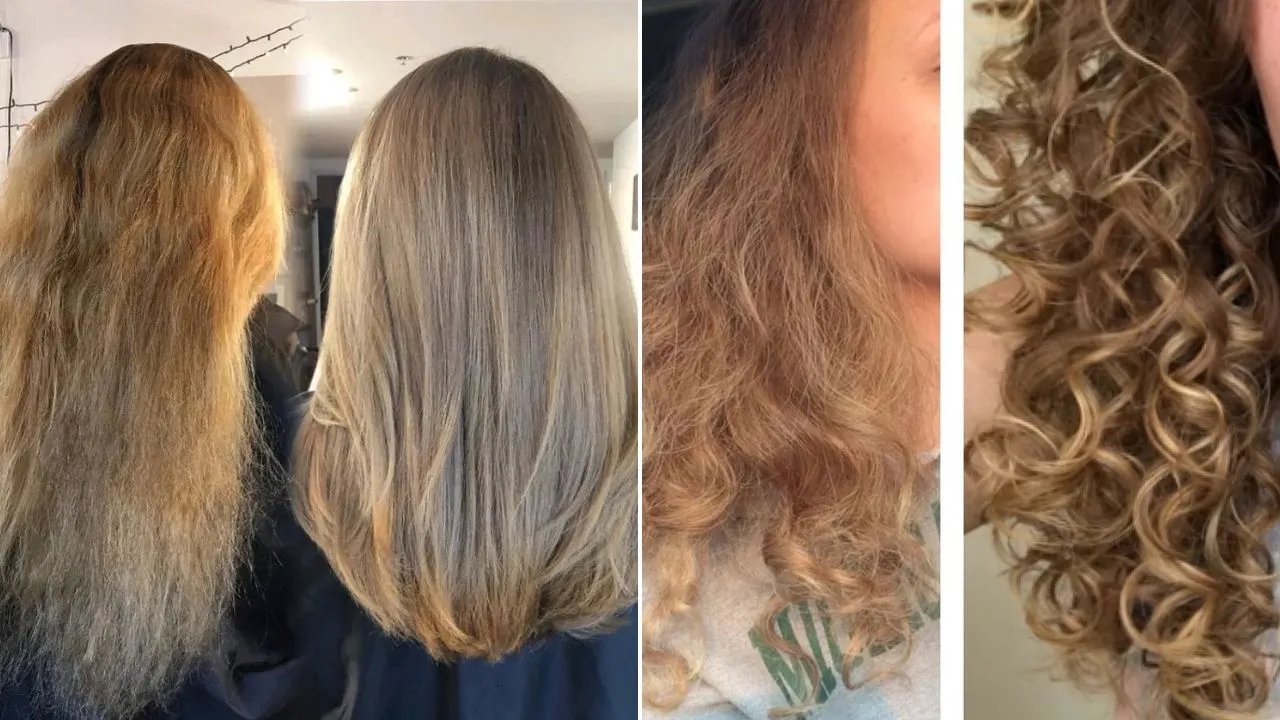
AdminMonsoon season in India is basically a personal war against frizz for anyone with wavy or curly hair. I spent years fighting this with silicone-heavy serums that worked for about two hours before the humidity won anyway. Learning how to get rid of frizzy hair naturally, addressing the actual cause rather than just masking it temporarily, changed things for me far more than any product ever did.
Here’s what genuinely helped, beyond the usual “use a good conditioner” advice.
Why Hair Gets Frizzy in the First Place
Frizz isn’t random — it’s a specific structural issue with the hair’s outer layer, and understanding this makes tackling it much easier.
Direct answer: Frizzy hair happens when the outer cuticle layer of the hair strand lifts and becomes rough, allowing moisture from humid air to penetrate unevenly, causing strands to swell and lose their smooth, defined shape.
Once I understood it as a moisture and cuticle issue rather than just “unruly hair,” the whole approach to fixing it made more sense.
Hydration Is the Real Fix, Not Just Smoothing Products
Counterintuitively, dry hair frizzes more, not less, because it desperately absorbs any moisture in the air unevenly.
- Deep condition weekly with a moisture-rich mask
- Use leave-in conditioner on damp hair, focusing on mid-lengths and ends
- Avoid over-washing, which strips natural oils and worsens dryness
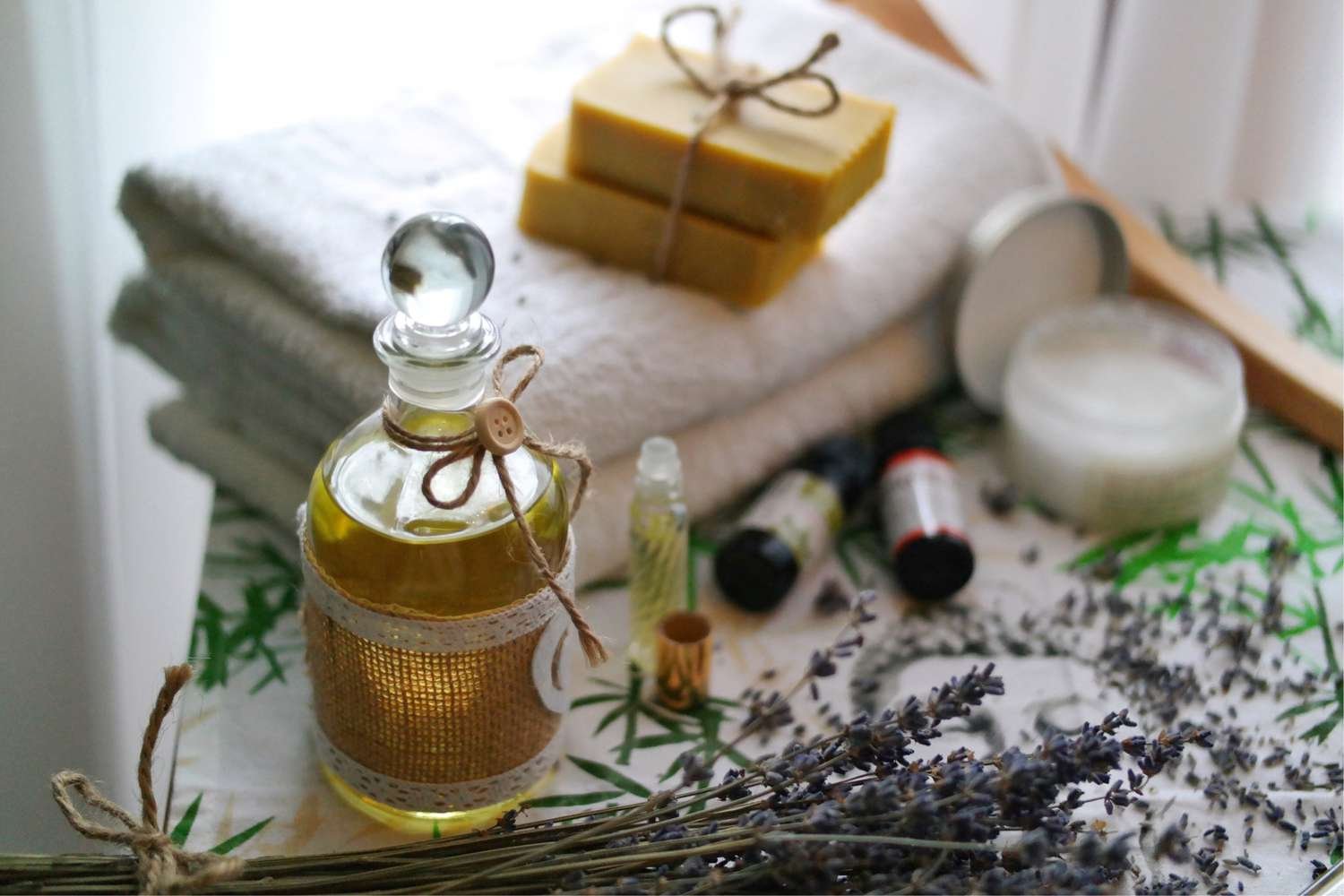
- Incorporate a hydrating hair oil 1-2 times weekly
I’ve noticed switching from a clarifying shampoo used daily to a gentler, less frequent wash routine alone cut down my frizz noticeably within a few weeks.
The Right Way to Dry Your Hair
This step matters more than most people realize, and honestly, I was doing it wrong for years.
- Never rub hair roughly with a regular towel — this roughs up the cuticle
- Use a microfiber towel or soft cotton t-shirt, gently squeezing out water
- Apply leave-in products while hair is still damp, not fully dry
- Air dry when possible, or use a diffuser attachment on low heat if blow-drying
Picture the difference between gently blotting a wet cloth versus vigorously rubbing it dry — that’s essentially what’s happening to your hair cuticle with rough towel-drying.
Choosing the Right Products for Frizz Control
Direct answer: Effective frizz control products contain humectants like glycerin or hyaluronic acid to attract moisture, combined with lightweight oils or silicones that seal the cuticle, preventing external humidity from penetrating and causing the hair to swell and frizz.
Look for ingredient combinations rather than marketing claims — “anti-frizz” on the label doesn’t guarantee the formula actually addresses the cuticle issue.
Natural Ingredients That Genuinely Help
- Aloe vera gel: natural humectant, lightweight, good for fine hair
- Shea butter: rich sealant, better for thick or coarse hair types
- Argan oil: adds shine while smoothing cuticle without heaviness
- Rice water rinse: some people find this strengthens and smooths strands
Whether these natural remedies work as well as commercial products varies by hair type, but they’re a low-cost way to experiment and find what your specific hair responds to.
Nighttime Habits That Prevent Frizz
This step gets skipped constantly, but it genuinely matters for waking up with manageable hair.
- Switch to a silk or satin pillowcase, reduces friction significantly
- Loosely braid hair before bed instead of leaving it fully loose
- Avoid sleeping with wet hair, which tangles and roughens the cuticle overnight
Trims and Regular Maintenance
Split ends contribute significantly to overall frizz, something that’s easy to overlook when focused on products alone.
- Trim every 8-10 weeks to prevent split ends from traveling up the shaft
- Use a hair mask specifically targeting damaged ends weekly
FAQ
Does frizzy hair mean my hair is damaged? Not always — frizz can be a natural texture trait too, though damaged hair does tend to frizz more due to a rougher cuticle.
Can diet affect hair frizz? Indirectly yes — deficiencies in essential fatty acids and protein can affect hair’s natural moisture balance and texture.
Should I avoid heat styling completely if I have frizzy hair? Not entirely necessary, but always use a heat protectant and keep temperatures moderate to avoid worsening cuticle damage.
Does cutting hair shorter reduce frizz? It can help remove damaged, frizz-prone ends, though frizz itself is more about hair structure than length.
Are silicone-based products bad for frizzy hair long term? Not necessarily bad, but heavy buildup over time can weigh hair down; using a clarifying wash occasionally helps balance this.
How often should I deep condition frizzy hair? Once weekly is generally sufficient for most hair types dealing with frizz and dryness.
Conclusion
Learning how to get rid of frizzy hair naturally is really about respecting your hair’s actual moisture needs instead of just piling on smoothing products that work for a few hours. Focus on gentle drying, proper hydration, and nighttime protection, and you’ll notice a real, lasting difference — not just a temporary fix that humidity undoes by lunchtime.