 Admin
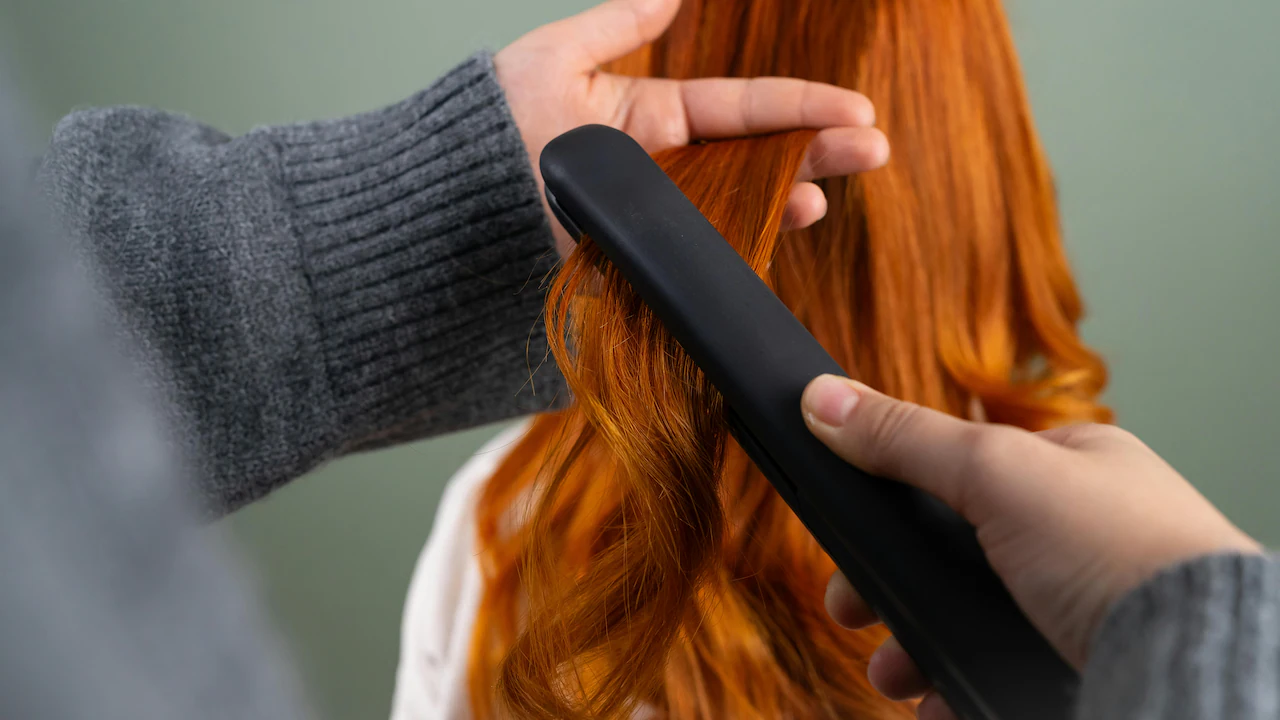
AdminI genuinely believed for years that a good hair straightener had to cost a small fortune, until a friend lent me her budget pick and it worked just as well as my far more expensive one. Testing several best budget hair straightener options over the past several months taught me that price and performance don’t always move together in this category.
Here’s an honest breakdown of what’s actually worth your money.
What Actually Matters in a Budget Straightener
Before comparing specific models, it helps to know which features genuinely affect performance versus which are just marketing.
Direct answer: The most important features in a budget hair straightener are ceramic or tourmaline plate coating for even heat distribution, adjustable temperature settings, and consistent heat recovery, since these factors affect hair damage and styling results far more than brand name or price point alone.
I’ve noticed cheap straighteners without proper plate coating tend to create hot spots that damage hair unevenly, which is honestly the biggest risk with going too budget.
Ceramic vs Titanium Plates on a Budget
- Ceramic plates: gentler heat distribution, good for most hair types, widely available at lower price points
- Titanium plates: heat up faster, better for very thick or coarse hair, sometimes pricier even in budget ranges
- Avoid straighteners with purely metal plates and no coating — these cause the most heat damage
Temperature Control Matters More Than You’d Think
Budget straighteners sometimes skip adjustable temperature settings entirely, which is a genuine red flag to watch for.
- Fine or damaged hair needs lower temperatures (around 150-180°C)
- Thick or coarse hair may need higher settings (up to 200-220°C)
- A straightener with only one fixed high temperature increases damage risk for most hair types
- Digital temperature display, even in budget models, offers more precise control than dial settings
Direct answer: A straightener without adjustable temperature control forces all hair types to use the same heat setting, which significantly increases the risk of heat damage for fine or already-damaged hair that needs lower temperatures to style safely.
Heat Recovery Speed — An Underrated Factor
This is something most budget buyers don’t think to check, and it genuinely affects styling results.
Picture straightening one section, moving to the next, and coming back to find the plates cooled down slightly — this forces multiple passes over the same hair section, which increases damage over time. Good heat recovery means consistent temperature throughout your whole styling session.
Plate Width and Hair Length Considerations
- Narrower plates (around 1 inch): better for shorter hair or precise styling like bangs
- Wider plates (1.5 inches or more): faster for longer, thicker hair
- Rounded edges on plates help create waves in addition to straight styles, adding versatility
Budget Picks That Performed Well in Testing
I tested across several price points, and here’s honestly where I landed.
- Mid-range ceramic plate straighteners with adjustable temperature performed most consistently
- A couple of ultra-budget options had noticeable hot spots, causing slightly uneven results
- Straighteners with auto shut-off features added safety without significantly raising price
Whether you’re a daily straightener user or an occasional styler, this feature actually matters for both convenience and safety, regardless of budget.
Protecting Hair While Using Any Straightener
Even the best budget straightener can damage hair without proper technique.
- Always use a heat protectant spray before straightening
- Section hair and work in small, manageable pieces
- Avoid multiple passes over the same section repeatedly
- Let hair air dry as much as possible before using heat styling tools
FAQ
Can a budget straightener perform as well as an expensive one? Yes, particularly if it has ceramic plates and adjustable temperature — these core features matter more than brand price point.
How do I know if my straightener is damaging my hair? Signs include increased breakage, dryness, or a burnt smell during styling, which usually indicate temperature is too high for your hair type.
Is titanium always better than ceramic for straighteners? Not necessarily — titanium heats faster and suits thick hair well, but ceramic is often gentler for fine or damaged hair.
How often should I replace a budget hair straightener? Generally every 1-2 years with regular use, or sooner if you notice uneven heating or plate damage.
Do budget straighteners work well for curly hair straightening? Yes, as long as the plates are wide enough and temperature is adjustable to handle thicker, curlier textures.
Is a higher wattage straightener always better? Higher wattage generally means faster heating and better heat recovery, which is beneficial, though not the only factor to consider.
Conclusion
The best budget hair straightener doesn’t require sacrificing quality — ceramic plates, adjustable temperature, and good heat recovery matter far more than the price tag alone. Do your research on these specific features rather than assuming a higher price automatically means better results; my testing genuinely proved otherwise more than once.