 Admin
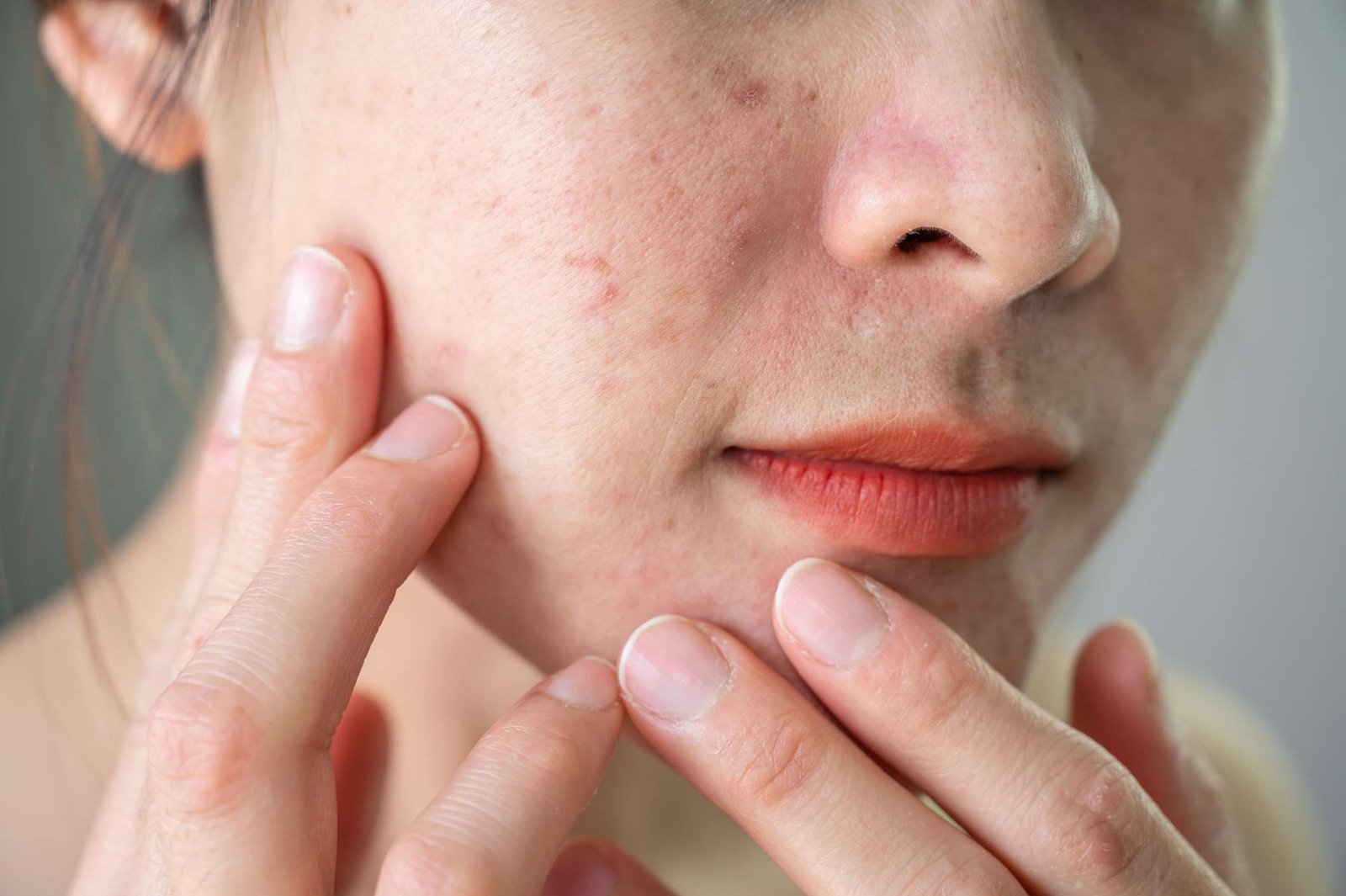
AdminTextured skin was the thing that used to bother me most in bright bathroom lighting — those tiny bumps and uneven patches that foundation just seemed to sit on top of rather than smooth over. Figuring out how to fix textured skin naturally, without harsh treatments, took some patience, but the changes were genuinely noticeable within a couple of months.
Here’s the approach that actually worked, minus the expensive in-clinic treatments.
What Causes Textured Skin in the First Place
Texture isn’t one single issue — it’s usually a mix of a few different things happening at once.
Direct answer: Textured skin is typically caused by a buildup of dead skin cells, clogged pores, dehydration, or sun damage, all of which prevent light from reflecting evenly off the skin’s surface, creating that bumpy or rough appearance.
Once I understood it wasn’t just “bad skin,” but a specific, fixable cause, the whole approach felt less overwhelming.
Gentle Exfoliation — The Foundation of Fixing Texture
This is where most people either overdo it or avoid it completely, both of which make texture worse.
- Chemical exfoliants (AHA/BHA) work better than physical scrubs
- Start with 2 times weekly, never daily
- Lactic acid is gentler for beginners; glycolic acid works faster for tougher texture
- Always follow with sunscreen the next morning, exfoliated skin burns easier
I’ve noticed physical scrubs actually made my texture worse over time — those little rough particles create micro-tears that lead to more inflammation, not less.
Hydration Matters More Than You’d Think
Dehydrated skin, even oily dehydrated skin, shows texture more prominently because the skin surface isn’t plump and smooth.
- Use a hyaluronic acid serum on slightly damp skin
- Layer a proper moisturizer on top to lock hydration in
- Don’t skip moisturizer even if your skin feels oily
- Drink adequate water daily — this genuinely does help over weeks, not overnight
Picture skin like a raisin versus a grape — dehydrated skin literally has more surface wrinkles and unevenness, the same way a raisin looks rougher than a plump grape.
Facial Massage and Circulation
This felt gimmicky to me at first, but consistent facial massage genuinely improved how smooth my skin looked over about six weeks.
- Use a facial oil or gua sha tool for gentle massage
- Focus on areas with visible texture, like the cheeks and forehead
- Do this 3-4 times weekly for 5 minutes
- Improves circulation, which supports smoother-looking skin over time
Diet and Lifestyle Factors
Direct answer: Diet affects skin texture indirectly through inflammation — high sugar intake and dairy consumption have been linked in some studies to increased breakouts and rough texture, though individual reactions vary significantly, so tracking your own triggers matters more than following generic advice.
I cut back on dairy for a month just to test this myself, and honestly noticed fewer small bumps on my forehead specifically. Your results might genuinely differ though.
Home Remedies Worth Trying
- Honey masks: mild antibacterial and hydrating properties
- Oatmeal masks: gentle, soothing for sensitive textured skin
- Aloe vera gel: calming, good for post-exfoliation use
- Multani mitti (fuller’s earth): helps absorb excess oil without over-drying
Whether these natural options work as fast as clinical treatments is debatable, but they’re genuinely low-risk ways to support your routine.
What Not to Do
- Don’t over-exfoliate hoping for faster results — this backfires badly
- Avoid picking at bumps or clogged pores
- Don’t skip sunscreen, sun damage worsens texture significantly over time
- Avoid switching products too frequently before giving them a fair trial
FAQ
How long does it take to fix textured skin naturally? Generally 6-8 weeks of consistent care before noticeable smoothing, sometimes longer for deeper texture issues.
Can textured skin be caused by dehydration alone? Yes, dehydration is a major contributing factor even without other underlying skin conditions.
Is textured skin the same as acne scarring? Not necessarily — acne scarring is a specific type of texture caused by past breakouts, while general texture can stem from multiple causes.
Does drinking more water actually fix skin texture? It helps support overall skin hydration, though it works best combined with topical hydration, not as a standalone fix.
Can makeup worsen textured skin over time? Heavy, pore-clogging makeup left on overnight can worsen texture; proper removal and non-comedogenic formulas help prevent this.
Should I see a dermatologist for textured skin? If natural methods don’t show improvement after 2-3 months, a dermatologist can identify underlying causes like fungal acne or rosacea.
Conclusion
Learning how to fix textured skin naturally really comes down to gentle, consistent exfoliation, proper hydration, and patience — texture doesn’t disappear overnight, but it does respond well to steady care. Give your routine a solid two months before judging results, and don’t let one bad skin day undo weeks of progress.