 Admin
AdminThere’s a particular kind of panic that hits right before a big presentation or a difficult conversation, and for years my go-to response was just… nothing, just white-knuckling through it. Learning actual breathing exercises to reduce stress gave me something concrete to do in those moments, and honestly, the physical calm they create surprised me the first time I tried them properly.
Here’s what actually works, explained simply, without the vague “just breathe deeply” advice that doesn’t really tell you anything useful.
Why Breathing Affects Stress So Directly
This isn’t just a mental trick — there’s real physiology behind why controlled breathing calms the body down.
Direct answer: Breathing exercises reduce stress by activating the parasympathetic nervous system through slow, controlled exhales, which signals to the body that it’s safe to relax, directly countering the fight-or-flight response triggered by stress hormones like cortisol and adrenaline.
Once I understood that longer exhales specifically trigger this calming response, I stopped just “breathing deeply” randomly and started actually focusing on extending the exhale.
Box Breathing for Quick Reset
This technique is used by everyone from athletes to military personnel for good reason — it’s simple and works fast.
- Inhale slowly for a count of 4
- Hold your breath for a count of 4
- Exhale slowly for a count of 4
- Hold empty for a count of 4, then repeat
Picture doing this quietly at your desk right before a stressful meeting — nobody around you even needs to know you’re doing it, which makes it genuinely practical for real-life situations.
4-7-8 Breathing for Deeper Calm
I’ve noticed this one works particularly well before sleep, when racing thoughts tend to be at their worst.
- Inhale through your nose for a count of 4
- Hold your breath for a count of 7
- Exhale slowly through your mouth for a count of 8
- Repeat for 4 full cycles, no more than that initially
This technique can feel slightly uncomfortable the first few times due to the longer hold and exhale — that’s normal, and it gets easier with practice.
Diaphragmatic Breathing for Everyday Stress
Direct answer: Diaphragmatic breathing, which involves breathing deeply into the belly rather than shallowly into the chest, reduces stress by fully engaging the diaphragm and lungs, promoting more efficient oxygen exchange and a stronger activation of the body’s relaxation response compared to shallow chest breathing.
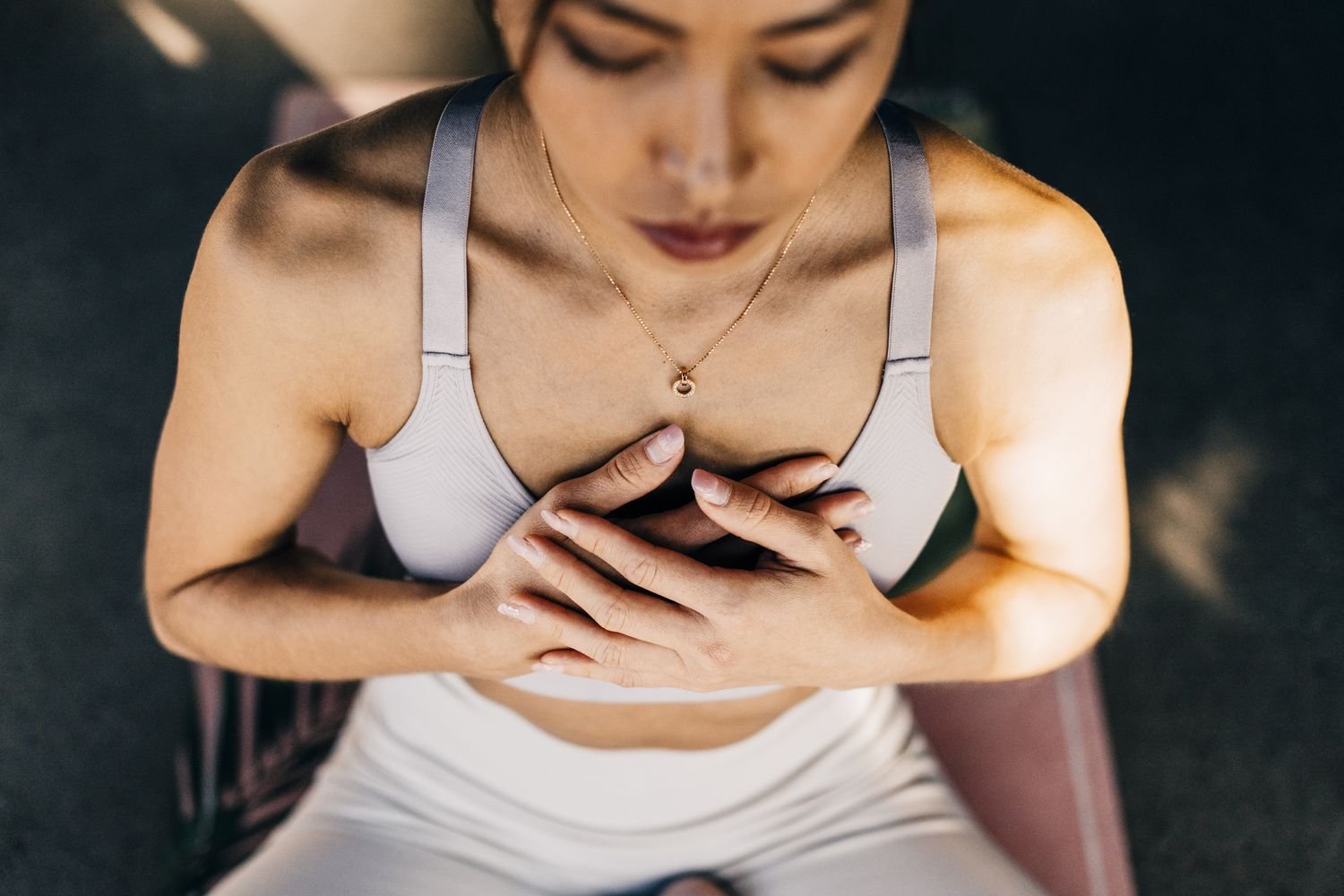
Most people, especially when stressed, breathe shallowly from the chest without realizing it. Placing a hand on your stomach and consciously breathing so that hand rises, not your chest, is a simple way to check you’re doing this correctly.
Alternate Nostril Breathing for Balance
This one comes from yogic breathing traditions and genuinely has a calming, almost meditative quality once you get the hang of it.
- Close your right nostril, inhale through the left
- Close the left nostril, exhale through the right
- Inhale through the right, then switch and exhale through the left
- Continue alternating for 5-10 rounds
Whether this feels awkward at first is completely normal — it takes a few tries to get the switching rhythm smooth and natural.
Physiological Sigh for Immediate Relief
This is one of the fastest techniques for immediate stress relief, backed by fairly recent research on breathing and the nervous system.
- Take two quick inhales through the nose, one right after the other
- Follow with one long, slow exhale through the mouth
- Repeat 1-3 times for rapid calming
Has this ever happened to you — a wave of sudden stress hits and you need relief in seconds, not minutes? This particular technique is designed exactly for that kind of urgent moment.
When and How Often to Practice
Consistency matters more than perfection here. Even two minutes daily, outside of stressful moments, builds a stronger baseline response for when you actually need it.
- Practice during calm moments to build the habit
- Use specific techniques (box breathing, physiological sigh) during acute stress
- Combine with a consistent daily practice like 4-7-8 before sleep
FAQ
How quickly do breathing exercises reduce stress? Many techniques show effects within 1-3 minutes, particularly the physiological sigh and box breathing.
Can breathing exercises help with anxiety, not just everyday stress? Yes, many people find these techniques helpful for anxiety, though they work best alongside other support for more persistent anxiety concerns.
Is it normal to feel lightheaded during breathing exercises? Mild lightheadedness can happen initially, especially with longer holds; if it persists, return to normal breathing and try a gentler technique.
Do I need a quiet space to practice these exercises? No, most techniques like box breathing can be done discreetly anywhere, including at a desk or in a crowded room.
Which breathing exercise is best before sleep? 4-7-8 breathing is particularly effective for calming the mind before bed due to its longer, slower rhythm.
Can children use these breathing techniques too? Yes, simplified versions of box breathing work well for children learning to manage stress or big emotions.
Conclusion
These breathing exercises to reduce stress genuinely work because they tap into real nervous system responses, not just distraction. Start with box breathing since it’s the easiest to remember under pressure, and build from there. Practice during calm moments so the technique feels automatic exactly when you need it most.